Blog
Gaia updates and insights
Track release highlights, detailed engineering breakdowns, and opinion posts from the team.
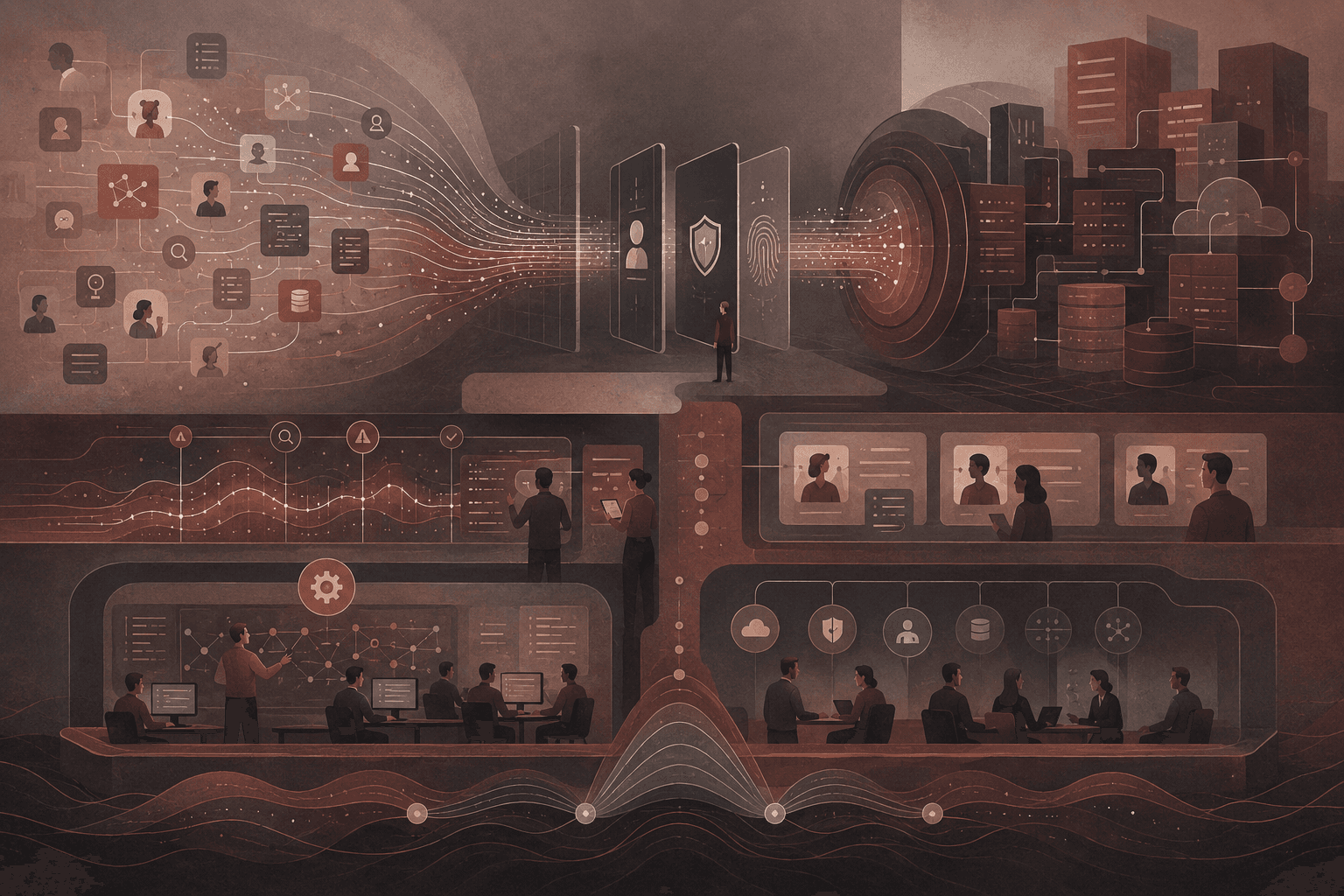
Enterprise AI will create far more implementation work than most forecasts assume because agents have to be connected to production systems, governed workflows, access controls, cost policies, and recurring model upgrades.
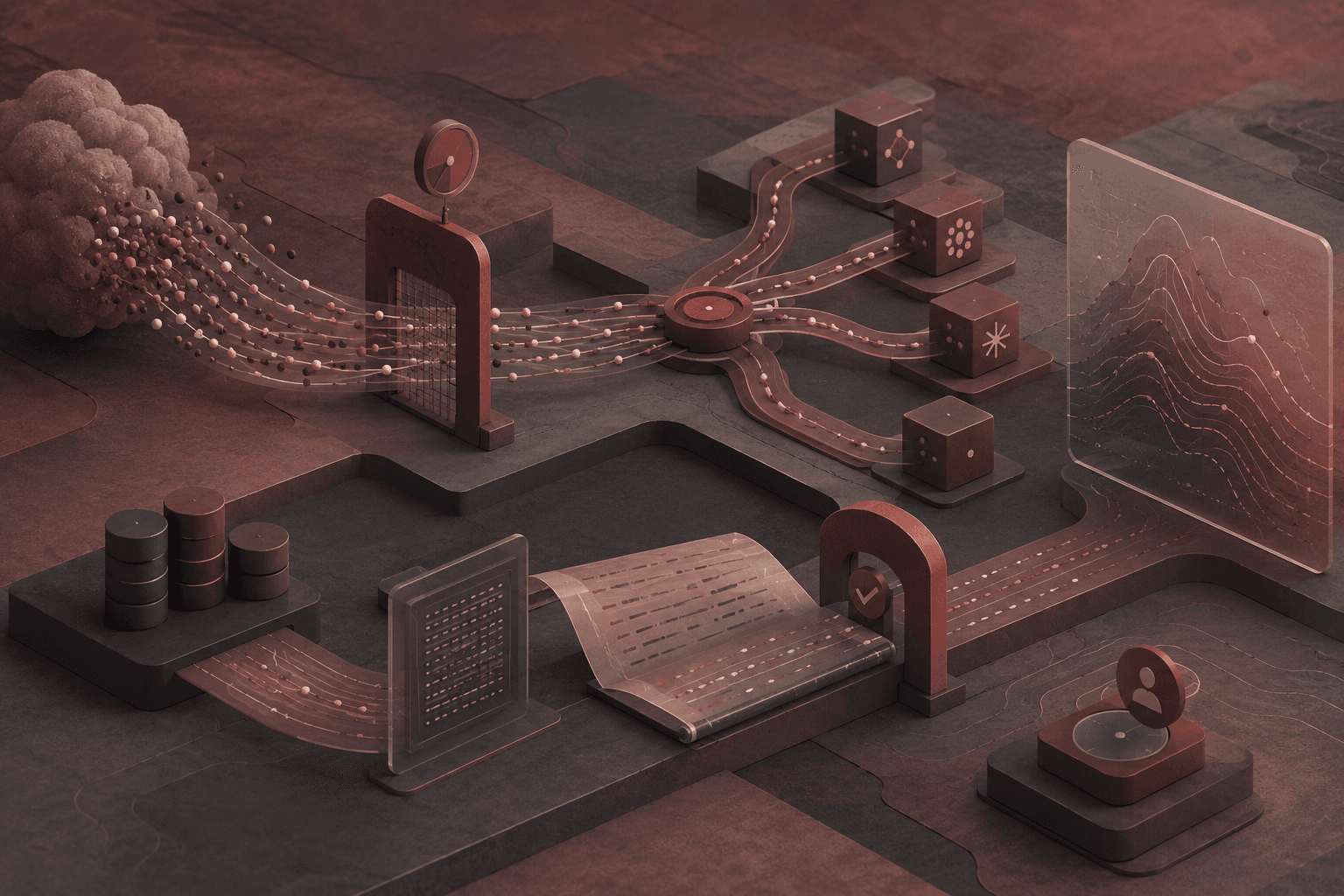
Enterprise AI spend is becoming an operating discipline. Token budgets matter, but the real control problem is workload routing, attribution, approvals, exceptions, and model flexibility.

Enterprises will not scale AI because they believe in it. They will scale it when trust becomes measurable, operational, and tied to deployment decisions.
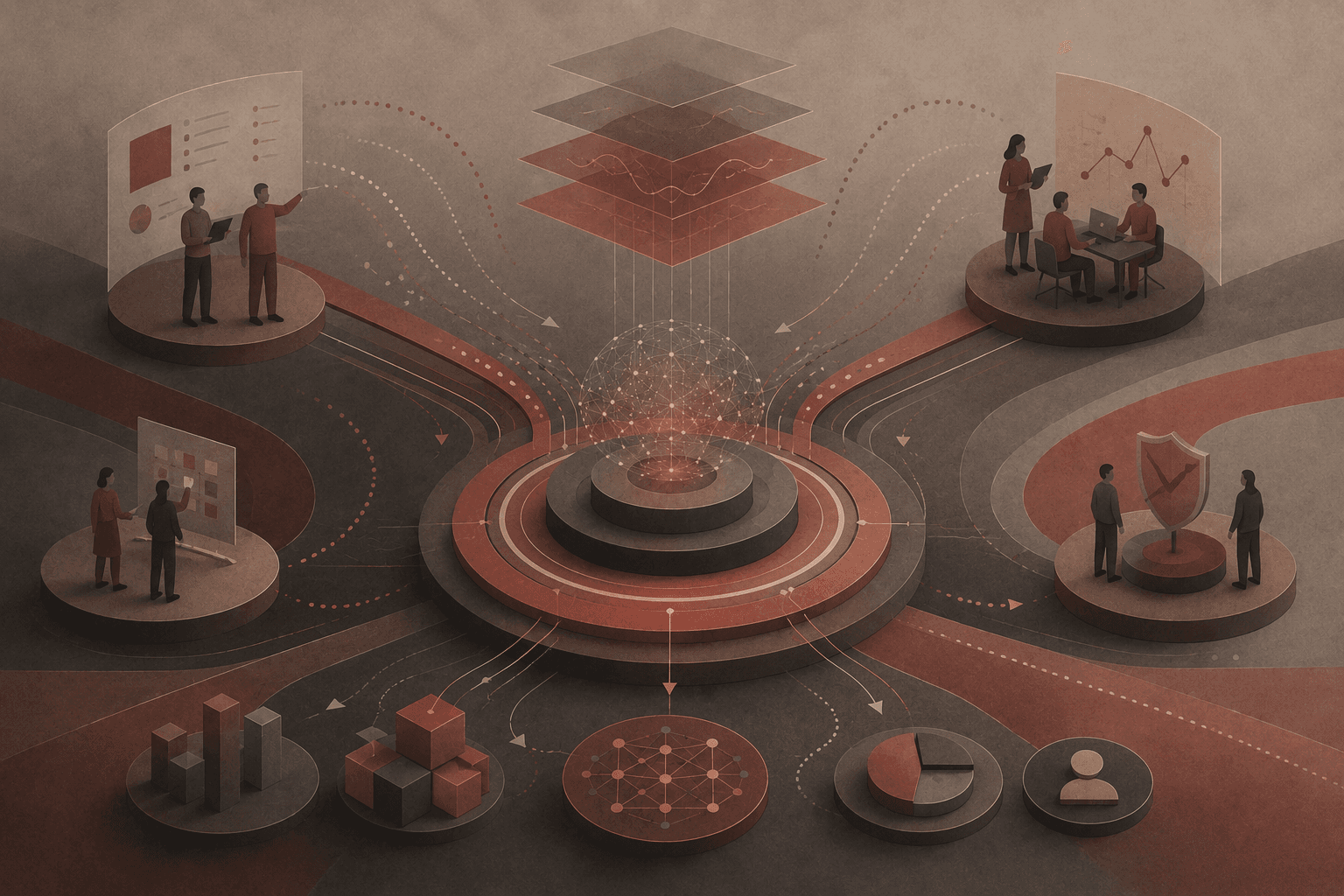
Forward-deployed engineering is becoming central to enterprise AI because agents change with models, workflows, and customer practice. The real advantage is the learning loop between deployment and product.

Enterprise agents will not transform business processes as a side project. Companies need AI automation engineers who can turn models, data, tools, controls, and human workflows into production systems.
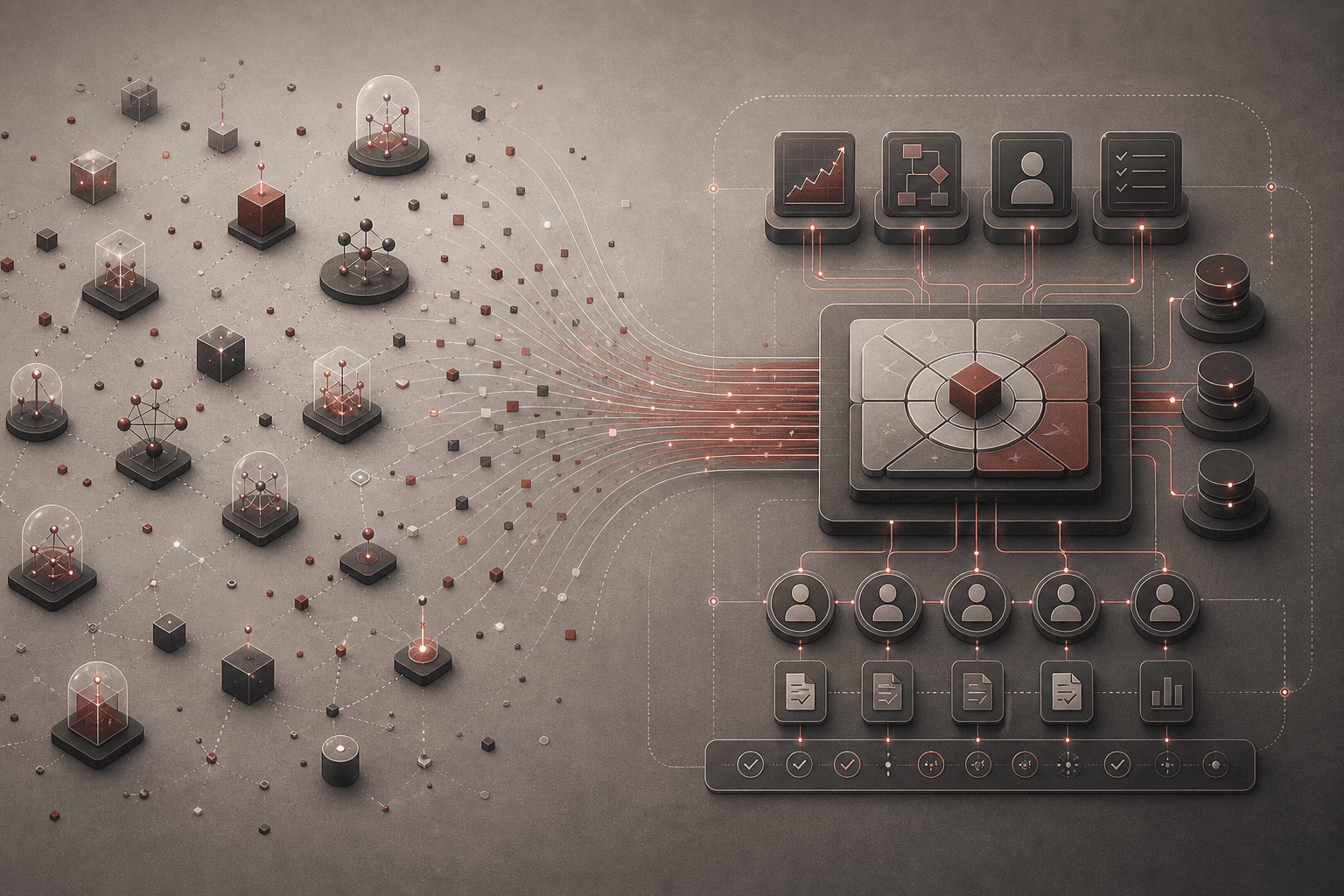
Companies do not become AI-transformed by running more pilots. They transform when AI changes workflows, ownership, metrics, governance, and the operating cadence of the business.

When software becomes easier to generate, product teams risk losing conviction about what should endure. The scarce skill is deciding what should not change.
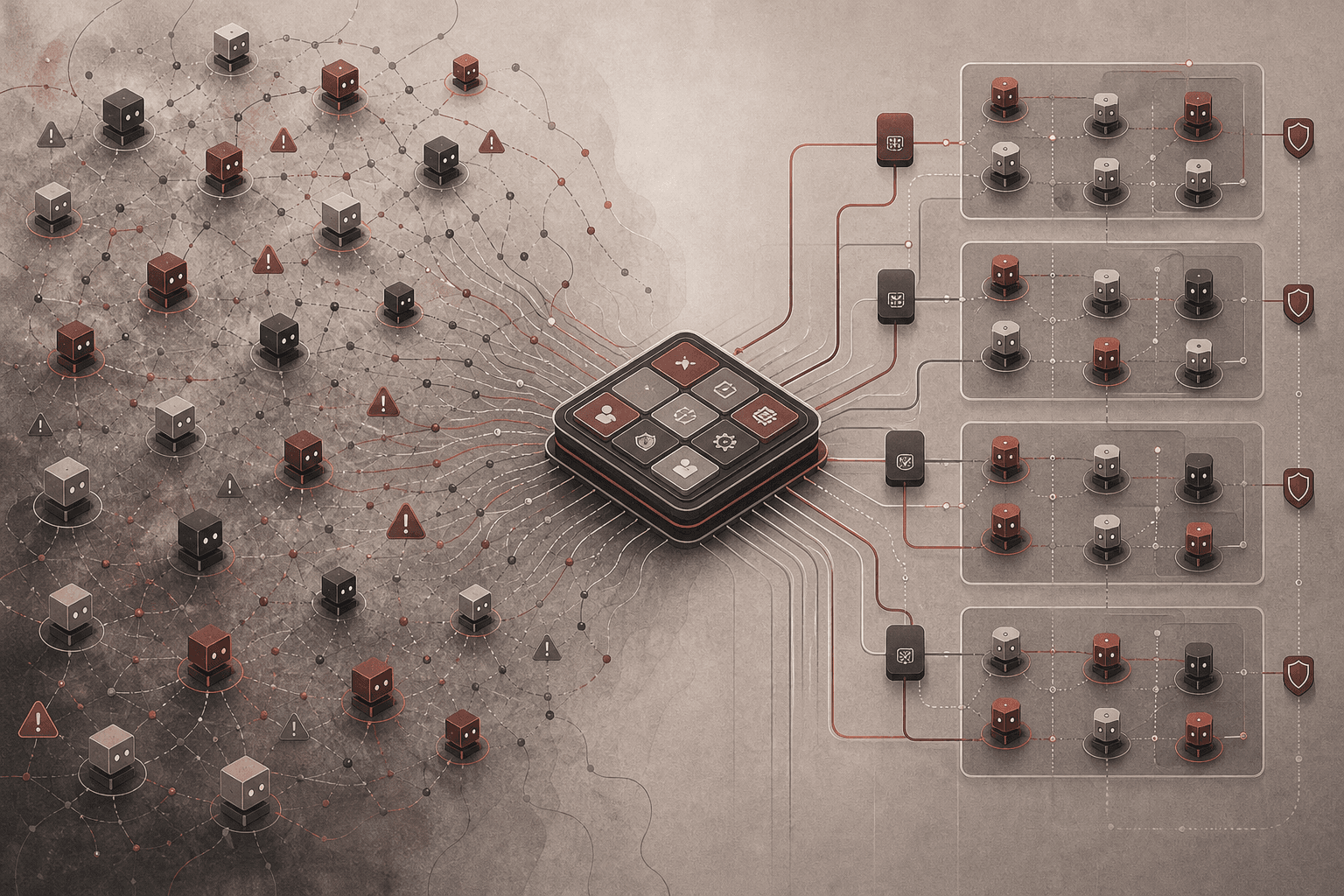
As agents spread through enterprise applications, companies that do not build inventories, identities, permissions, and lifecycle controls will rediscover shadow IT at machine speed.
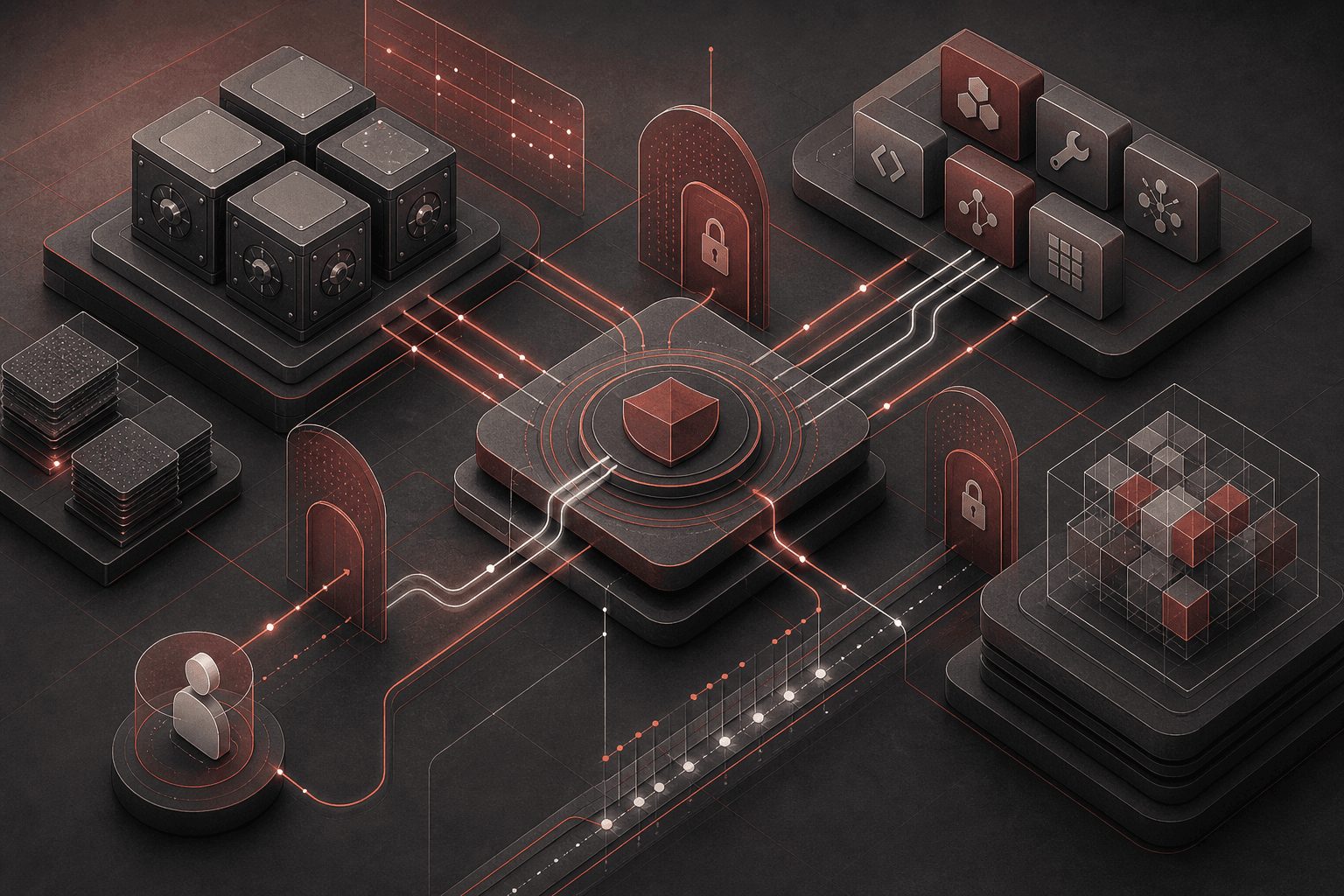
Personal and enterprise agents become dangerous when memory, tools, and channels expand faster than control. The core design question is where authority lives.

AI is weakening some old signals of seniority while increasing the premium on judgment, taste, prioritization, orchestration, and the ability to learn in public without fake certainty.

Agents can increase output dramatically, but they cannot rescue broken data, unclear workflows, weak ownership, or review bottlenecks. The system has to be engineered first.
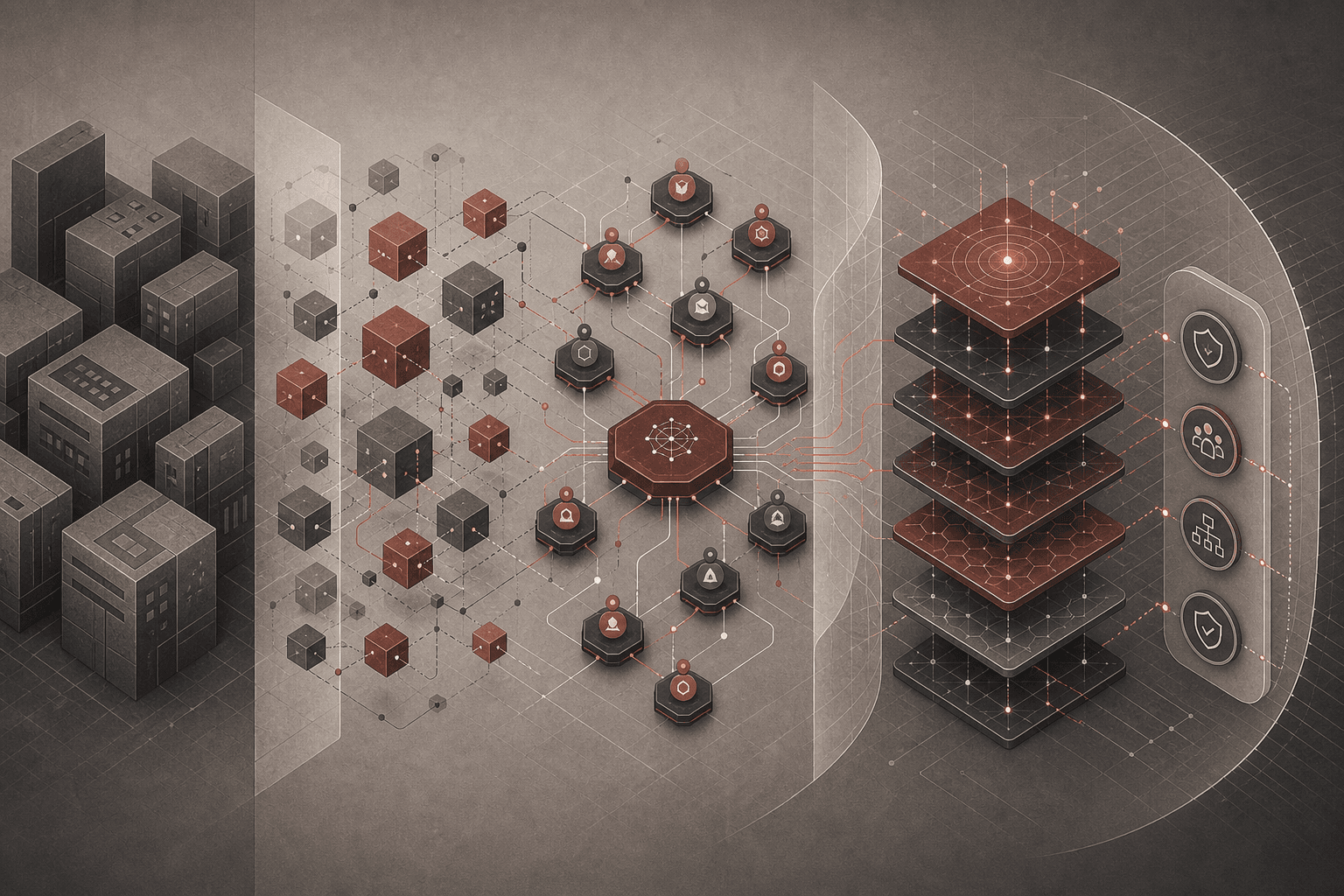
Agentic AI turns enterprise architecture from a planning discipline into an operating discipline: the architecture must govern how agents work, learn, and change.

If agents become the primary users of enterprise systems, the durable advantage shifts away from human-facing interfaces and toward data, control, and infrastructure that agents can safely operate.

AI governance is failing when it slows every decision or gets bypassed by executive pressure. The answer is not less governance, but higher-throughput control.

If agentic systems make execution abundant and machine-native outputs normal, the real enterprise constraint shifts to judgment: what to optimize, what to trust, and how to govern systems humans can no longer fully inspect line by line.

As AI systems begin shaping the informational field from which human inquiry emerges, the personal discipline of remaining a subject must be matched by a new organizational layer. Agentic AI requires governance infrastructure — an epistemic control tower.

Generative and agentic AI systems are beginning to shape the field from which human inquiry begins. The next challenge is not only building intelligent systems, but governing the epistemic infrastructure they create.

Many companies are still treating enterprise AI as a legal exception instead of a leadership decision, and that delay is creating more risk, not less.

The AI transition will fail if we stop training early-career engineers. Teams should use AI to accelerate junior judgment, not bypass it.

In the agentic era, traditional leadership models will be tested as AI-driven autonomy challenges centralized control.